Introduction
Every dog owner wants a happy and healthy companion, but dogs cannot tell us when something is wrong. They show it through small changes: eating less, sleeping more, scratching, limping, coughing or simply acting different from usual. Learning to spot these signs early is one of the most important things a dog owner can do, because many health problems are much easier to treat when they are caught in time.
This guide covers the most common health problems in dogs, what causes them, the warning signs to watch for, and when a visit to the veterinarian cannot wait. It is general information for dog owners, not a replacement for veterinary advice. If your dog is sick or injured, a licensed veterinarian is the right person to diagnose and treat the problem.

Donate Now
Parvovirus: a serious illness in puppies
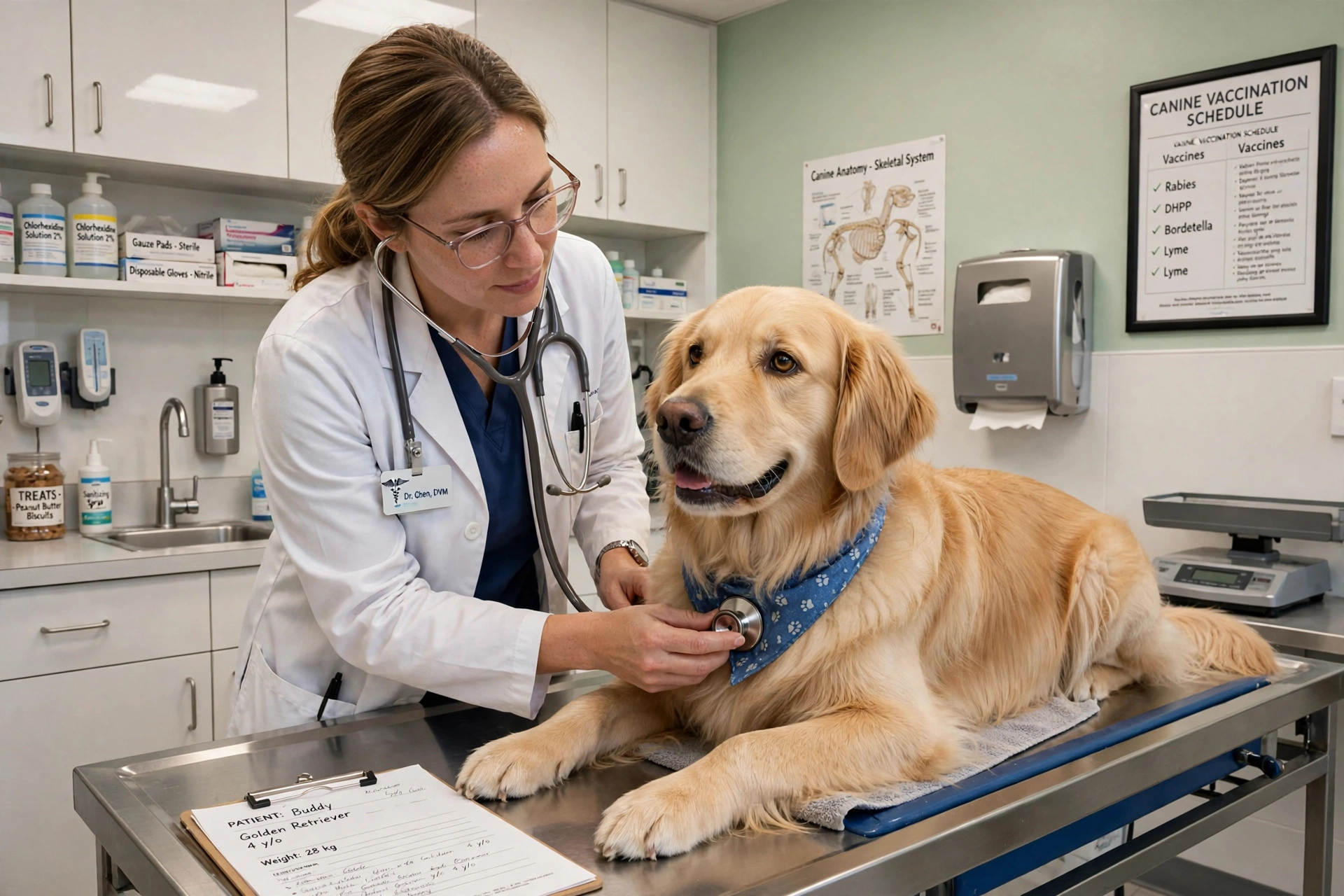
Canine parvovirus, often called parvo, is one of the most serious viral illnesses in dogs, especially in puppies and unvaccinated dogs. It spreads through contact with infected faeces or contaminated ground, bowls, shoes and other objects, and the virus can survive in the environment for a long time.
The signs usually appear a few days after exposure. A puppy with parvo often stops eating, becomes very tired, vomits and develops severe, often bloody diarrhoea. Dehydration follows quickly, and a small puppy can become dangerously weak in a matter of hours. Parvo is a medical emergency. A dog with these signs needs a veterinarian immediately, because treatment involves fluids, medicines to control vomiting, antibiotics to prevent secondary infection, and close monitoring. There is no home cure for parvo. The best protection is vaccination, given on the schedule a veterinarian recommends, starting when the puppy is young.
Distemper: a virus that affects the whole body
Canine distemper is another viral disease that mainly affects unvaccinated dogs and puppies. It spreads through the air and through contact with infected animals, and it can affect the breathing, the stomach and the nervous system.
Early signs look like a bad cold: discharge from the eyes and nose, coughing, fever and loss of appetite. As the illness develops, a dog may vomit, have diarrhoea, and show signs of nervous system trouble such as twitching, fits or trouble walking. Distemper is often fatal, and dogs that survive can be left with lasting damage. Like parvo, distemper is largely preventable through vaccination, which is why keeping vaccines up to date matters so much.

Rabies: rare but always serious
Rabies is a viral disease that affects the brain and is almost always fatal once signs appear. It spreads through the bite of an infected animal. Because rabies can also spread to people, vaccination against rabies is required by law in many places, and it is one of the most important vaccines any dog should have.
A dog with rabies may change behaviour, become restless or aggressive, have trouble swallowing, drool, or become paralysed. Any dog that has been bitten by an unknown or wild animal should be taken to a veterinarian at once, even if the wound looks small. Do not handle a strange or wild animal that is acting oddly, and keep your dog’s rabies vaccination current.
Kennel cough and breathing problems
Kennel cough is a common and very contagious infection of the airways, often picked up where dogs gather, such as kennels, parks, training classes and shelters. The main sign is a dry, hacking cough that sounds as if the dog has something stuck in its throat. Many dogs also gag or retch after coughing.
Most cases are mild and pass in a few weeks, but puppies, older dogs and dogs with weak health can develop pneumonia. A cough that lasts more than a few days, a cough with fever, loss of appetite or trouble breathing, or a cough in a very young or old dog should be checked by a veterinarian. Vaccination against kennel cough is available and is often required by boarding kennels.
Ear infections: common, painful and easy to miss
Ear infections are one of the most common reasons dogs visit the vet. Dogs with floppy ears, dogs that swim often, and dogs with allergies are most at risk. The signs include shaking the head, scratching at the ears, redness inside the ear, a bad smell, discharge, and pain when the ear is touched.
Ear infections are usually caused by yeast or bacteria, and they often come back if the underlying cause, such as an allergy, is not treated. Never put anything deep into a dog’s ear at home, and do not use human ear drops unless a veterinarian tells you to. A vet can examine the ear, find the cause and prescribe the right treatment.
Skin problems and allergies
Itchy skin is a very common complaint in dogs. Allergies to food, pollen, dust, fleas or cleaning products can make a dog scratch, lick its paws, rub its face and develop red patches, hot spots or hair loss. Flea allergy is one of the most common causes: a single flea bite can set off intense itching in a sensitive dog.
Skin infections can follow the scratching, and the cycle continues. A veterinarian can help find the cause, which may involve a food trial, allergy testing, flea control or medicine to calm the itch. At home, regular grooming, a clean bed and good flea prevention help, but a skin problem that does not improve in a few days deserves a vet visit.
Donate Now
Dental disease: the hidden problem
Dental disease is one of the most common health problems in dogs, and it is easy to overlook because it builds slowly. Plaque and tartar collect on the teeth, gums become inflamed, and over time the dog can develop painful gum disease, loose teeth and infection that spreads through the body.
Signs include bad breath, red or bleeding gums, tartar on the teeth, trouble chewing, dropping food, and pawing at the mouth. Small breeds are often affected more. Brushing a dog’s teeth with a dog toothpaste, giving approved dental chews, and having the vet check the teeth at regular visits all help. Never use human toothpaste on a dog, as it can be harmful if swallowed.
Worms and parasites inside the body
Roundworms, hookworms, tapeworms, whipworms and heartworm are parasites that can live inside a dog. Puppies often carry roundworms, while older dogs can pick up worms from soil, faeces, fleas or raw meat. Signs include a swollen belly, weight loss, diarrhoea, vomiting, a dull coat and worms visible in the stool, though many infected dogs show no signs at all.
Heartworm is different and more dangerous. It is spread by mosquito bites and the worms live in the heart and lungs. A dog with heartworm may cough, tire easily and lose weight, but early infection often has no signs. Prevention is simple and cheap compared with treatment: regular deworming and heartworm prevention as a veterinarian recommends, plus regular faecal checks.
Fleas, ticks and skin parasites
Fleas and ticks live on the outside of the dog and cause itching, skin irritation and, in the case of ticks, can spread serious diseases. A dog with fleas will scratch, bite at its skin and may develop hair loss or sore patches. Ticks attach to the skin and feed on blood; a heavy infestation can make a dog anaemic.
Check your dog regularly, especially after walks in grass or woods, and use a vet recommended flea and tick prevention product. Remove a tick carefully with a tick remover or tweezers, pulling straight out, and watch the area for redness or swelling. Never use flea products meant for another animal, and never use a dog product on a cat, as some are toxic to cats.
Obesity: a slow health problem
Too much weight is one of the most common and most preventable health problems in dogs. An overweight dog is more likely to develop joint problems, diabetes, heart disease, breathing trouble and a shorter life. The causes are usually simple: too much food, too many treats and too little exercise.
A healthy dog should have a visible waist when viewed from above and you should be able to feel the ribs easily under a thin layer of fat. A veterinarian can tell you your dog’s ideal weight and how much to feed. Measure food rather than guessing, keep treats to a small part of the daily diet, and give your dog regular walks and play.
Arthritis and joint problems
Arthritis is common in older dogs and in large breeds, and it can also follow an old injury. The signs develop slowly: stiffness when getting up, reluctance to climb stairs or jump, limping after rest, less interest in walks, and licking at a sore joint.
Arthritis cannot be cured, but it can be managed. Weight control, gentle regular exercise, a comfortable bed, ramps instead of jumps, and pain relief prescribed by a veterinarian can keep a dog comfortable for years. Never give a dog human painkillers such as ibuprofen or paracetamol, as these can be very dangerous for dogs.
Bloat: an emergency every owner should know
Bloat, also called gastric dilatation and volvulus, is a life threatening emergency in which the stomach fills with gas and can twist on itself. It is most common in large, deep chested breeds. The signs are a swollen belly, restlessness, pacing, drooling, retching without bringing anything up, and signs of pain.
Bloat needs emergency veterinary care within minutes to hours. There is no safe home treatment. Feeding smaller meals more often, avoiding vigorous exercise right after eating, and using a slow feeder can reduce the risk, but any dog with these signs must go to a vet immediately.
Vomiting and diarrhoea
Occasional vomiting or a soft stool can happen when a dog eats something unusual, but repeated vomiting, diarrhoea that lasts more than a day, blood in vomit or stool, or vomiting with tiredness and loss of appetite all need a vet. Puppies, older dogs and small dogs dehydrate quickly, so do not wait long with them.
Do not withhold water for long periods, and do not give human stomach medicines unless a vet advises it. Keep a note of what the dog ate, how often it vomited, and what the stool looked like, as this helps the vet.
Donate Now
When to see a vet right away
Some signs always mean an urgent vet visit. These include trouble breathing, collapse, fits, a swollen belly with retching, heavy bleeding, a suspected broken bone, eating something poisonous, a bite from an unknown animal, a puppy that stops eating and becomes very tired, and any dog that is in obvious pain or cannot stand. When in doubt, call a veterinarian and describe what you see. It is always better to ask early than to wait and hope.
Prevention: the cheapest treatment
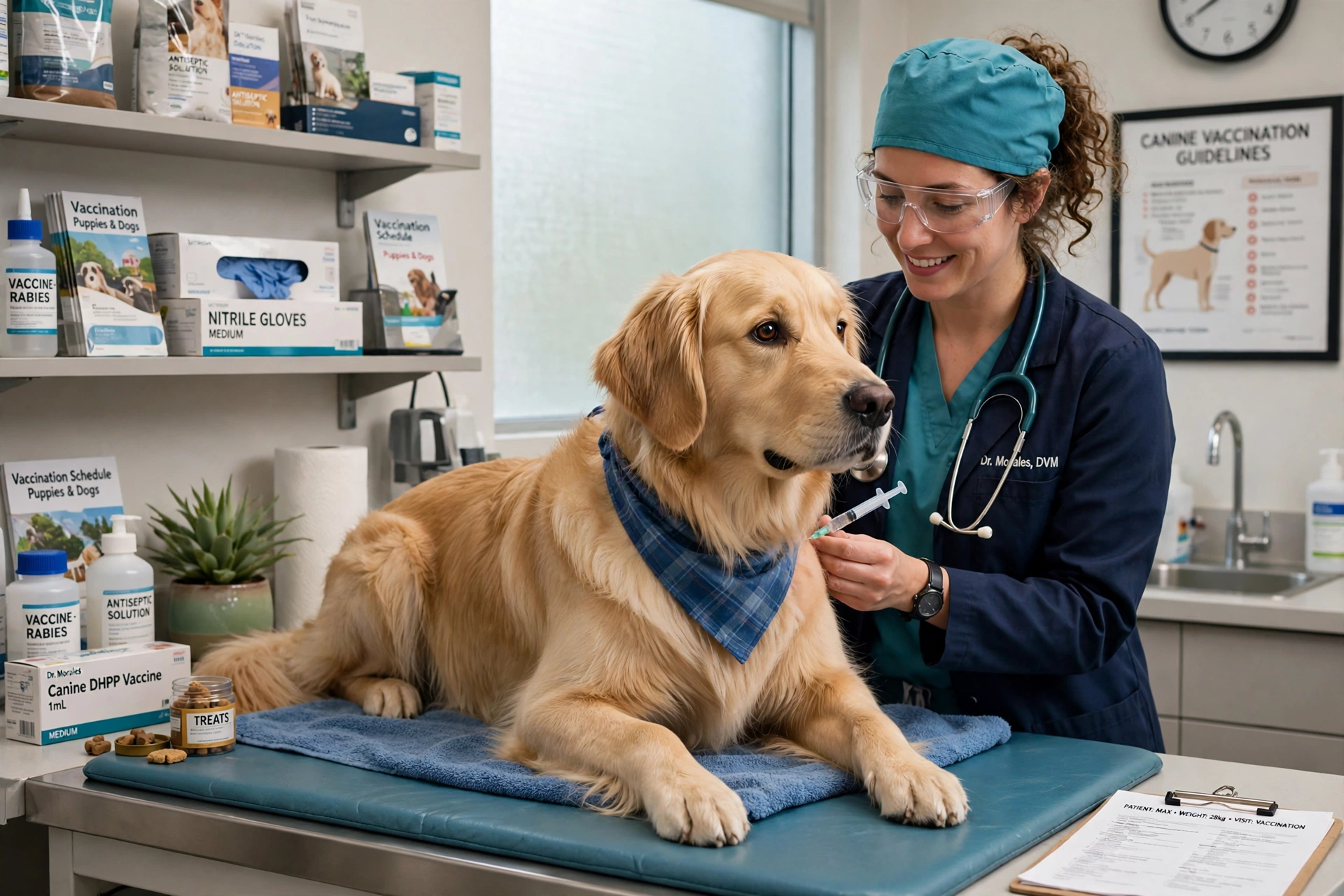
Most of the problems in this guide are easier to prevent than to treat. A simple routine covers most of it: keep vaccinations up to date, use flea, tick and worm prevention as your vet recommends, feed a balanced diet in measured amounts, give daily exercise, brush teeth regularly, groom and check the ears, and take your dog for a vet check at least once a year. Keep a note of your dog’s normal behaviour, appetite and weight, so you notice changes early.
How to help a sick dog at home
If your dog is unwell but the vet has seen it and sent it home, follow the vet’s instructions exactly. Give medicines on time and finish the course. Offer small amounts of water often, and feed only what the vet recommends. Keep the dog warm, quiet and comfortable, and watch for any change. If the dog gets worse, becomes very tired, stops drinking, vomits again or seems in pain, contact the vet at once. Never give human medicines to a dog without veterinary advice.
Conclusion
Dogs depend on us to notice when they are unwell. The warning signs are often small at first: a missed meal, a little more sleep, a scratch, a cough, a limp. Paying attention to those signs, keeping up with vaccines and prevention, and seeing a veterinarian early are the best things any owner can do. A healthy dog lives a longer, happier life, and most health problems are far easier to treat when they are found early. If something about your dog worries you, trust that feeling and ask a veterinarian.
Donate Now
Help Dogs Get Treatment: Support the Dog Hospital Trust
Not every sick dog has an owner who can pay for treatment. The Dog Hospital trust collects donations to pay for veterinary treatment, medicines, vaccinations and care for dogs in need. Your donation, large or small, helps a sick or injured dog get the treatment it deserves.
You can donate through PayPal at vehari566@gmail.com, or by scanning the QR code below to donate through the trust’s TRC20 wallet. Every donation is voluntary, and keeping your payment receipt is a good idea. To learn more about the trust and how donations are used, visit the Donate page on this site. Thank you for helping dogs get treatment.
Donate Now
Frequently asked questions
What are the most common health problems in dogs?
The most common problems include ear infections, skin allergies, dental disease, worms and parasites, obesity, arthritis, vomiting and diarrhoea, and infections such as parvovirus, distemper and kennel cough.
How do I know if my dog is sick?
Watch for changes: eating less, drinking more or less, sleeping more, vomiting, diarrhoea, coughing, scratching, limping, bad breath, discharge from eyes or ears, or behaviour that is different from usual. Any clear change deserves attention.
When should I take my dog to the vet urgently?
Go at once for trouble breathing, collapse, fits, a swollen belly with retching, heavy bleeding, suspected poisoning, a bite from an unknown animal, or a puppy that stops eating and becomes very weak.
Can I give my dog human medicine?
No, not without veterinary advice. Many human medicines, including ibuprofen and paracetamol, are dangerous for dogs. Always ask a veterinarian first.
How can I prevent most dog health problems?
Keep vaccinations up to date, use flea, tick and worm prevention, feed measured amounts of a balanced diet, exercise daily, brush teeth, and take your dog for a vet check at least once a year.